
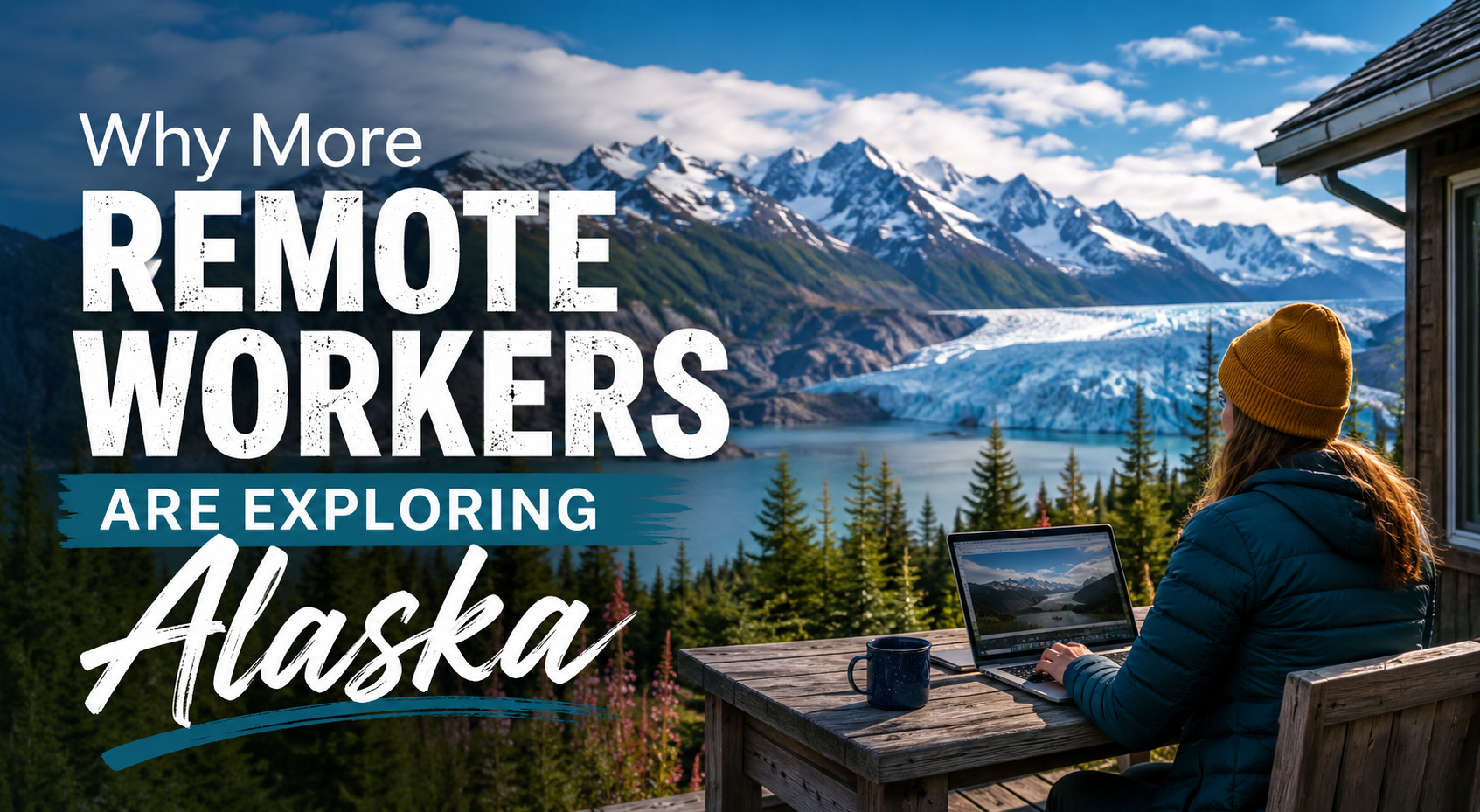
Why More Remote Workers Are Exploring Alaska
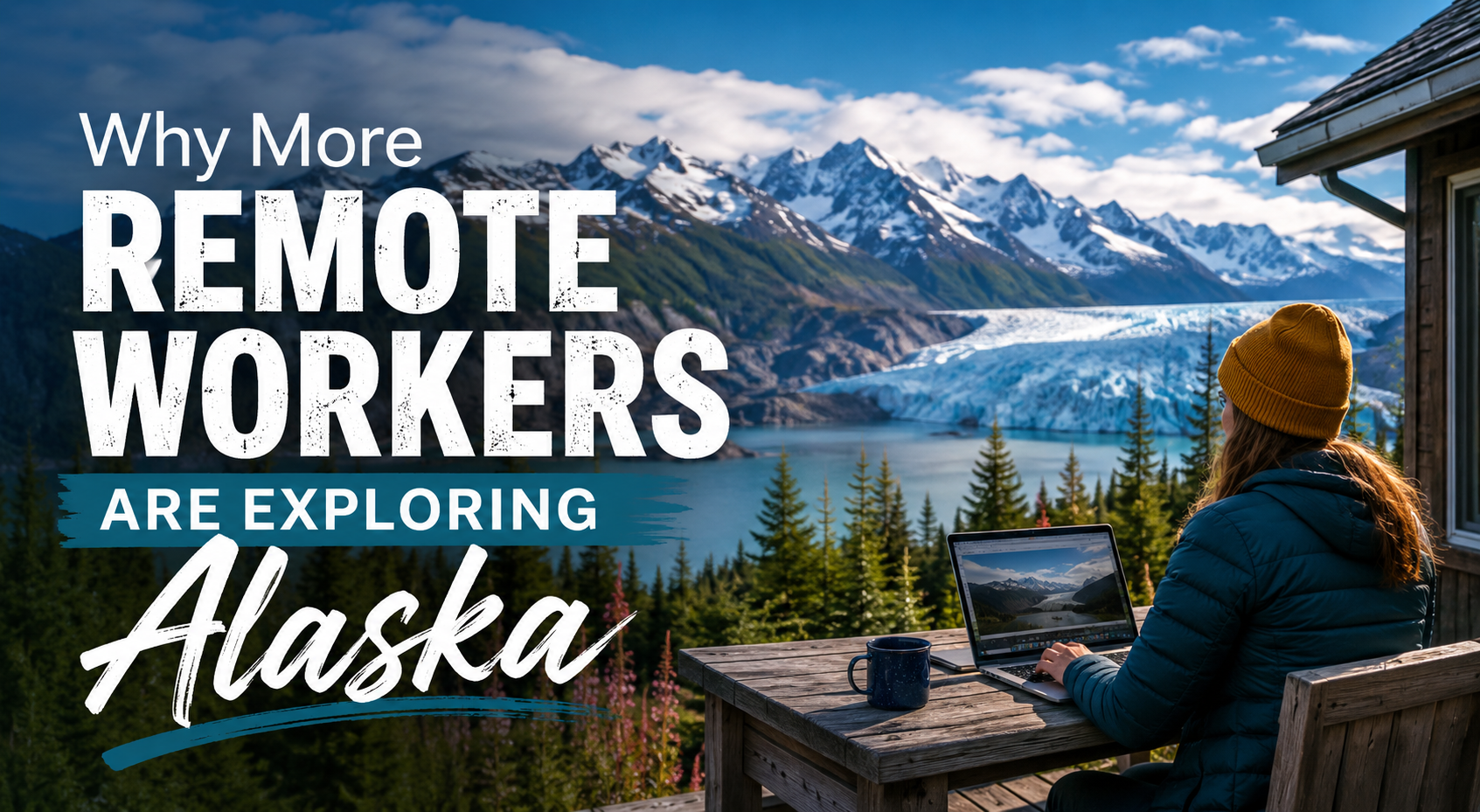
Remote work has changed how people think about where they live. Instead of staying close to corporate offices or crowded urban centers, many professionals are choosing locations that offer more space, fresh surroundings, and a different pace of life. Alaska has increasingly become part of that conversation.
For remote workers looking for a meaningful lifestyle shift, Alaska offers a combination of natural beauty, lower population density, and opportunities for year-round outdoor experiences that are difficult to match elsewhere in the United States.
A Different Kind of Daily Routine
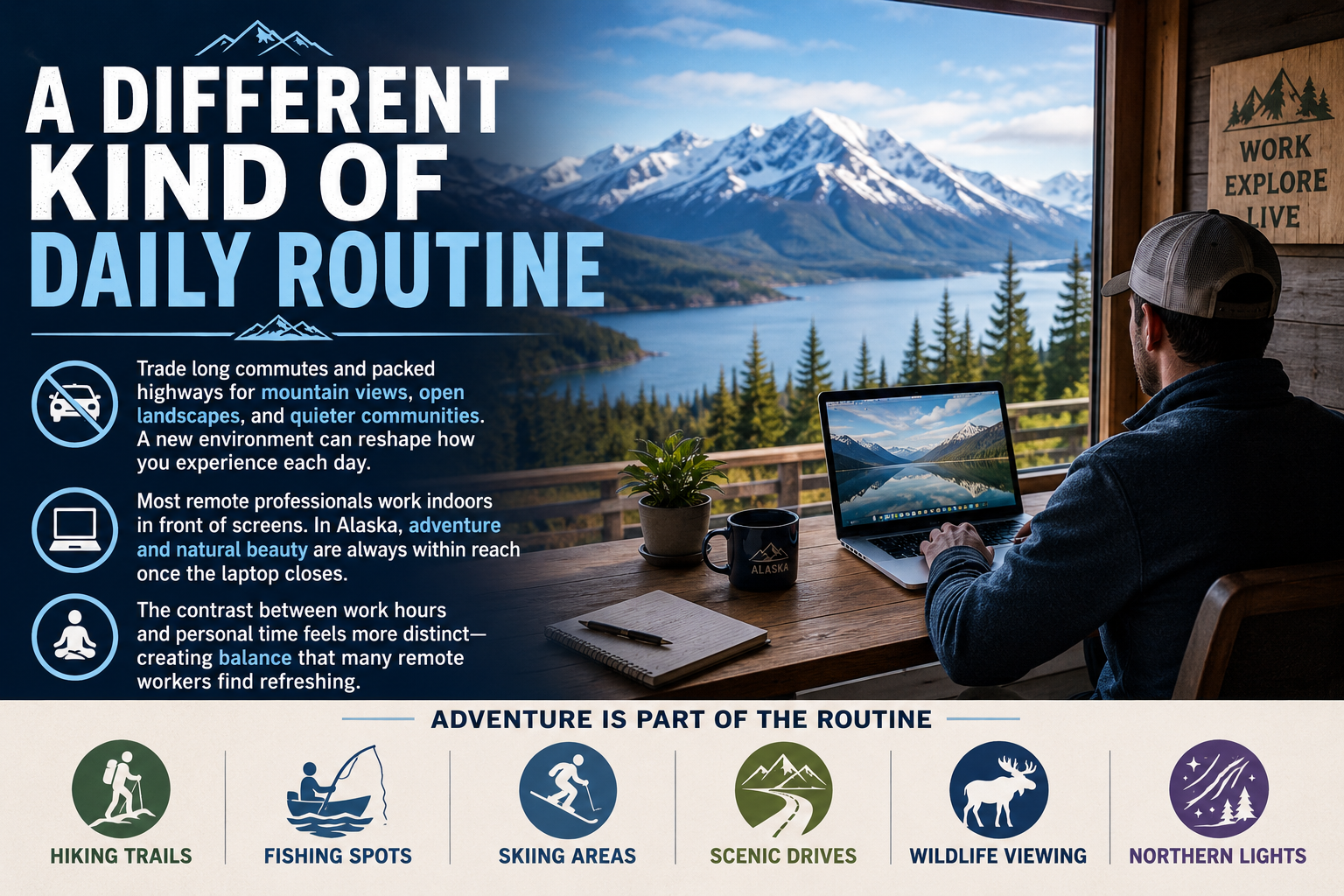
One reason remote workers are drawn to Alaska is the dramatic change in environment. Trading long commutes and packed highways for mountain views, open landscapes, and quieter communities can significantly reshape a person’s daily experience.
Many remote professionals spend most of their workday indoors in front of screens. Living in Alaska gives them easier access to hiking trails, fishing spots, skiing areas, and scenic drives once the laptop closes for the day. The contrast between work hours and personal time feels more distinct, which many people find refreshing.
More Space and Less Congestion
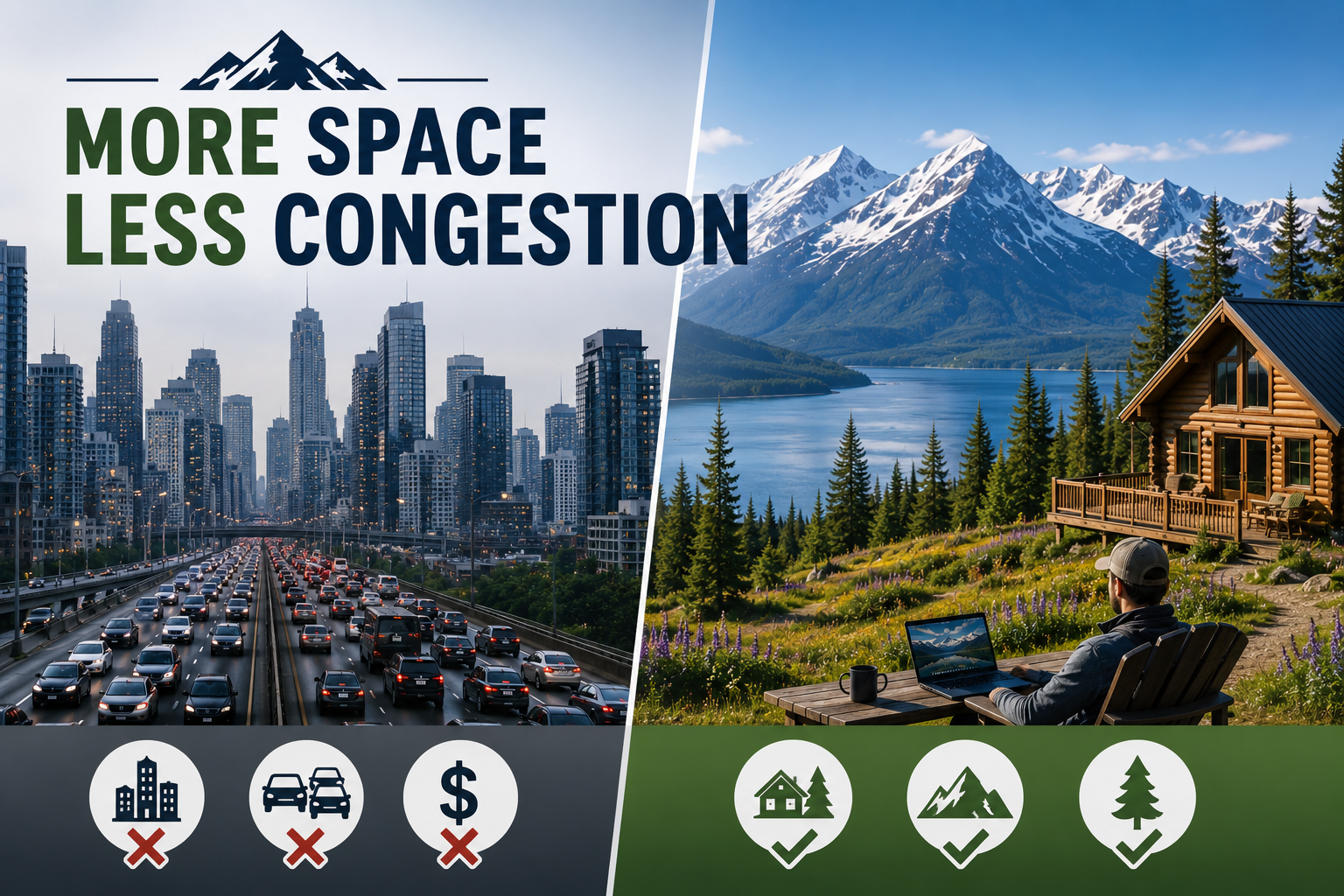
In many large cities across the country, rising housing costs and crowded living conditions have encouraged remote workers to explore new options. Alaska offers communities where people can often enjoy larger properties, greater privacy, and a slower pace compared to densely populated metropolitan areas.
For remote professionals who no longer need to live close to office buildings, having extra room — both inside and outside the home — has become increasingly valuable. Some are drawn to cabins surrounded by forests and mountain scenery, while others prefer smaller city settings that still provide modern conveniences and easy access to outdoor recreation.
Strong Appeal for Outdoor Enthusiasts
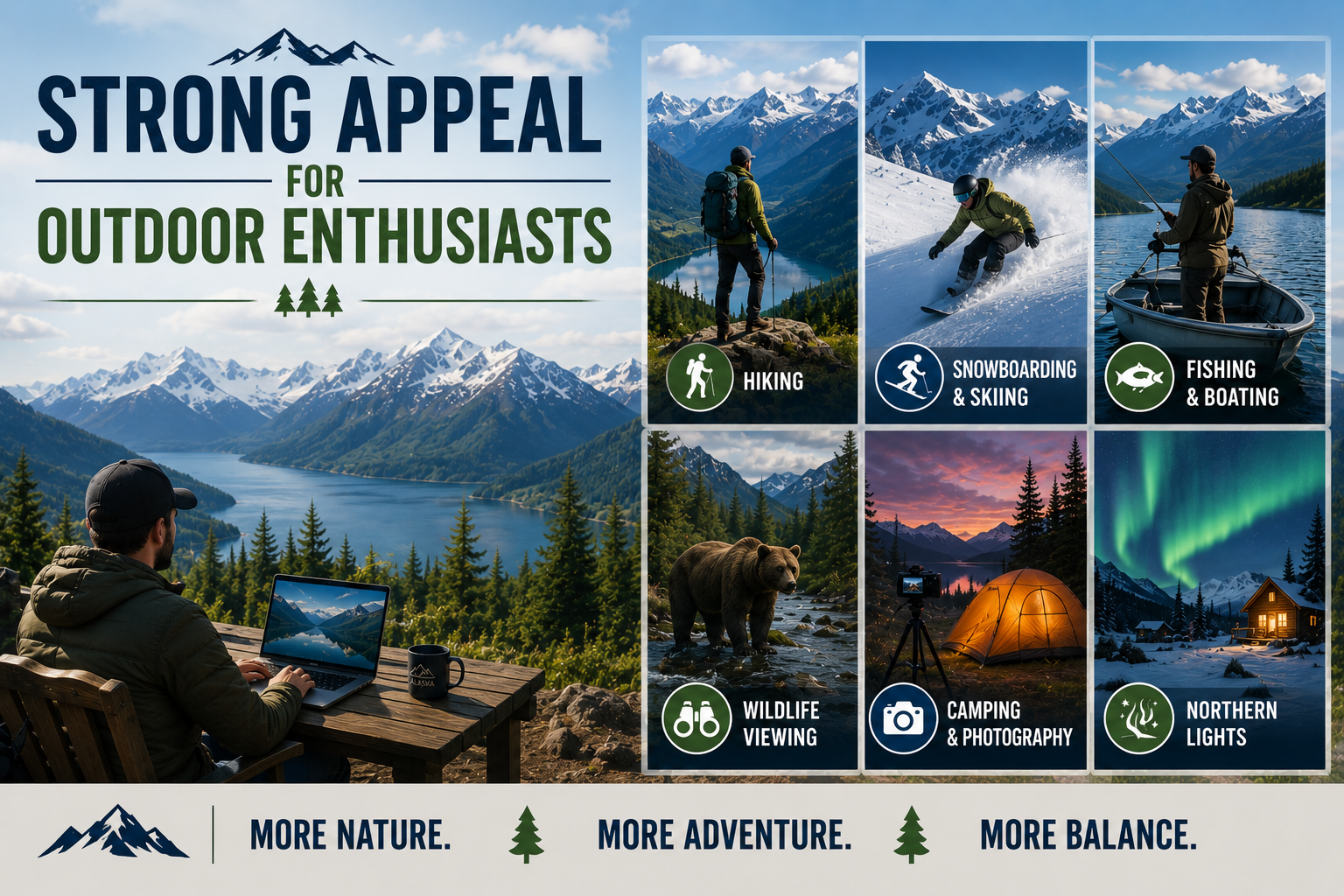
Alaska naturally attracts people who enjoy adventure and outdoor recreation. Remote workers who value experiences over nightlife or crowded entertainment districts often see Alaska as an exciting option.
Depending on the region, residents can enjoy:
- Hiking and backpacking
- Snowboarding and skiing
- Fishing and boating
- Wildlife viewing
- Camping and photography
- Northern Lights viewing during winter months
For many professionals, the ability to step outside into expansive natural surroundings adds a level of balance that feels difficult to achieve in heavily urbanized areas.
Growing Interest in Flexible Living
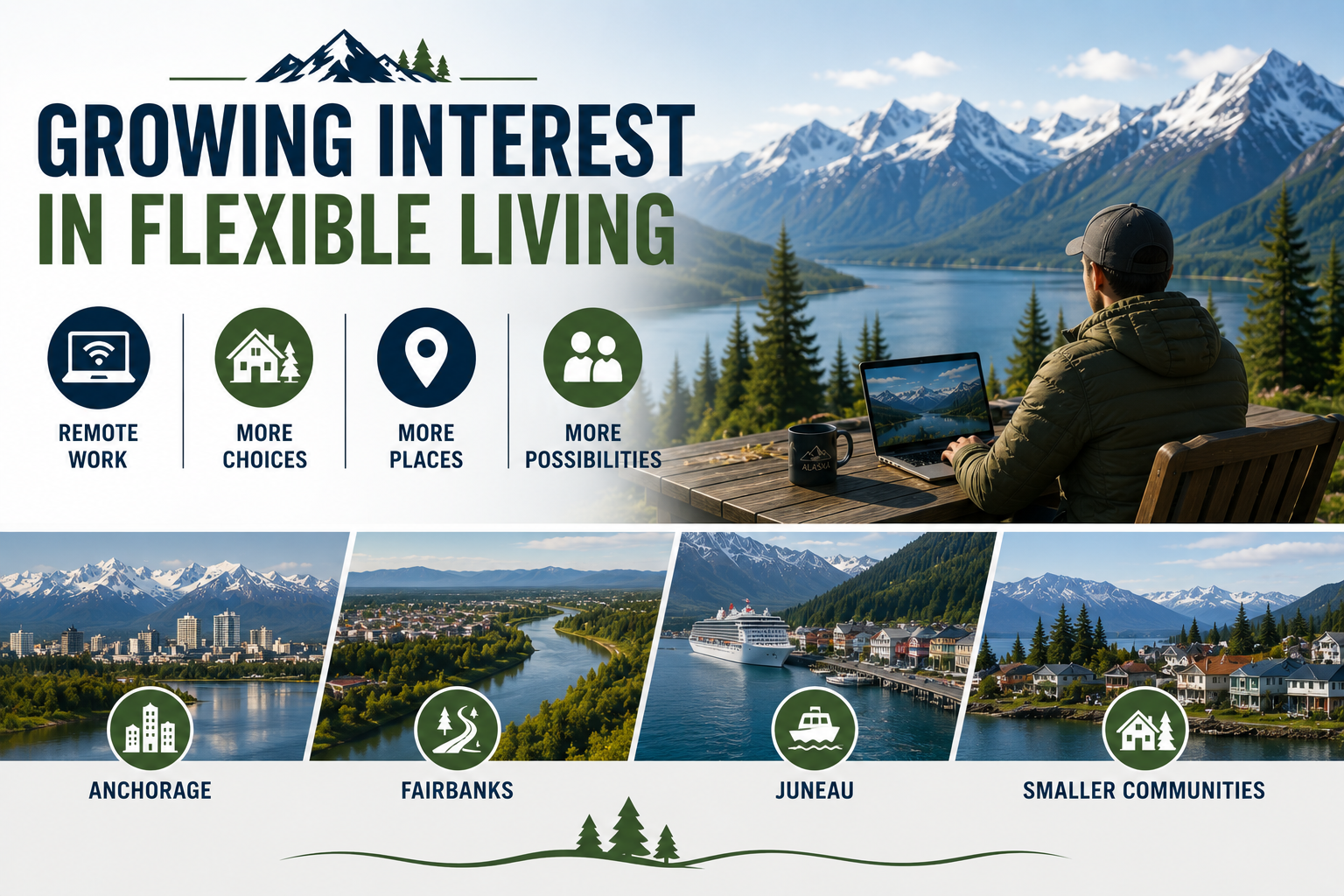
The rise of remote work has also created a broader cultural shift. More people are experimenting with nontraditional living arrangements, seasonal moves, and relocation to places they once considered too distant. Alaska, once viewed mainly as a destination for tourism or temporary adventure, is increasingly being explored as a long-term living option. Improved internet infrastructure in several communities has helped support this transition, allowing remote workers to stay connected while living farther from traditional business hubs. Many professionals are now prioritizing lifestyle preferences over proximity to headquarters. That change has opened the door for locations like Anchorage, Fairbanks, Juneau, and smaller Alaskan communities to gain attention from remote workers nationwide.
A Strong Sense of Independence
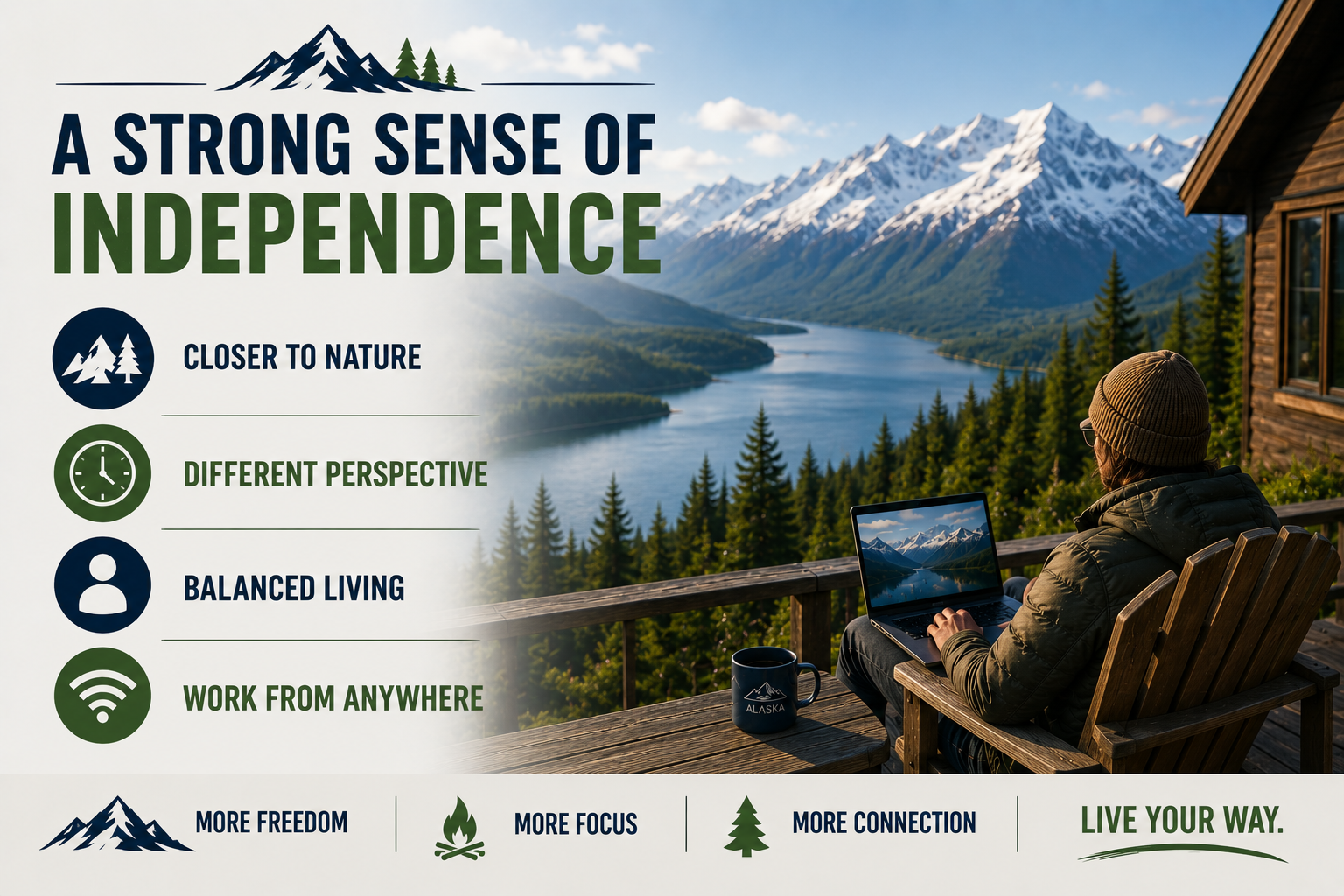
Another factor attracting remote workers is Alaska’s culture of self-reliance and independence. Many people moving to the state appreciate the mindset that comes with living closer to nature and farther from fast-paced urban environments. The experience often encourages a different perspective on time, priorities, and daily living. Some remote workers report feeling more focused, less distracted, and more connected to their surroundings after relocating. This growing interest is not necessarily about escaping modern life entirely. Instead, many people are looking for a healthier balance between career responsibilities and personal fulfillment.
Alaska Long-Term Appeal
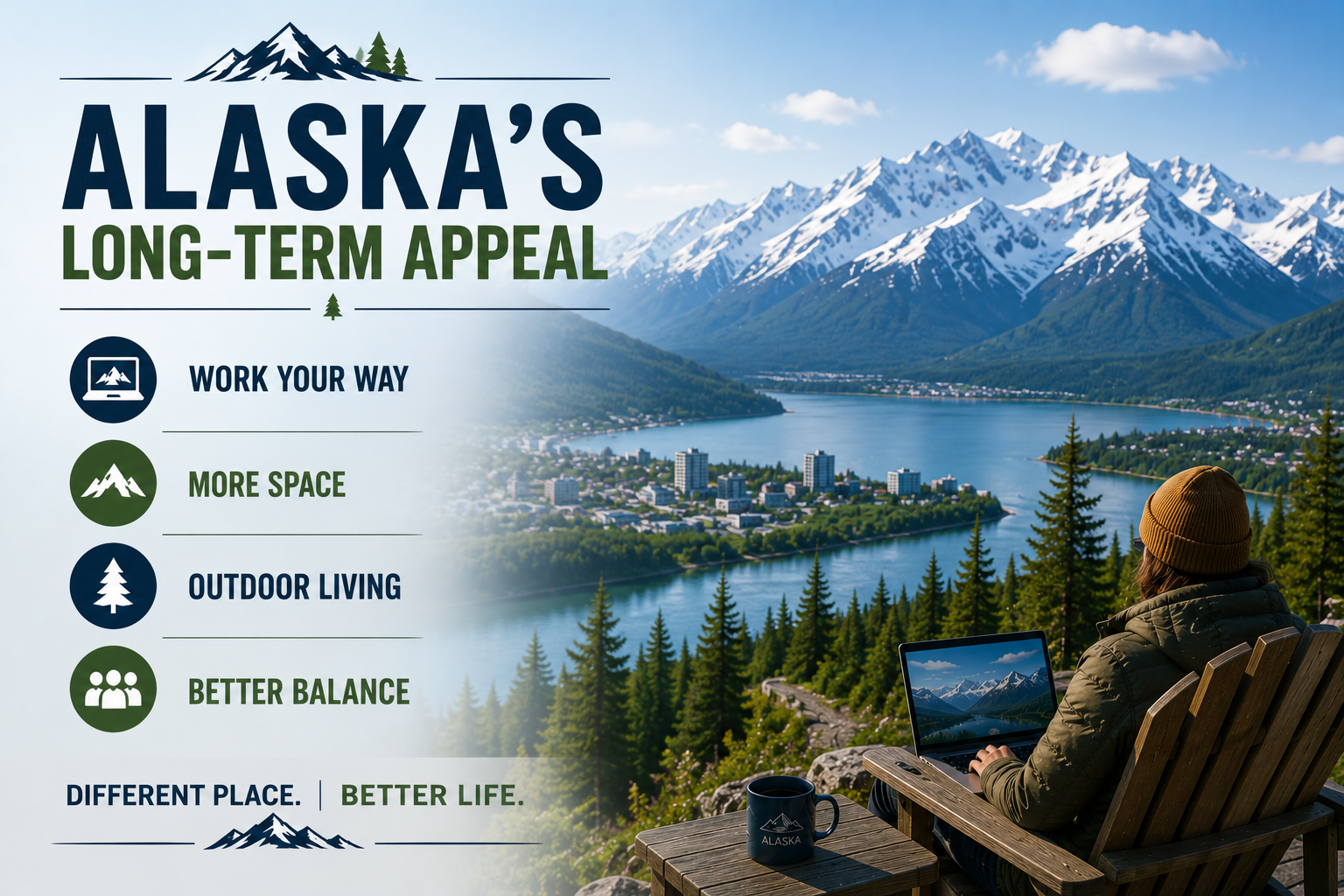
While Alaska may not be the right fit for everyone, its popularity among remote workers continues to grow. Flexible work arrangements have made it possible for professionals to choose locations based on lifestyle rather than office location, and Alaska offers a unique alternative to crowded metropolitan living.
As remote work continues evolving, more professionals are likely to consider destinations that provide space, scenery, and opportunities for outdoor living. Alaska stands out as one of the few places where people can combine career flexibility with an environment that feels dramatically different from everyday city life.